The Lenses of History
History does not repeat itself in simple ways, but it often rhymes.
Chapter 2the lenses of history
History does not repeat itself in simple ways, but it often rhymes.
"History does not repeat itself, but it often rhymes."
— — Mark Twain

Section 1: We're Experiencing the Fourth Wave of Going Global
As Mark Twain said, history may not repeat itself exactly, but it often rhymes. This rhythm can inspire us, as similar events may unfold with comparable processes, outcomes, and responses.
Going global has become a hot topic. Many people see it as an unprecedented wave, but when you put on the lenses of history Take a look: the Chinese overseas expansion is not happening for the first time, but for the fourth time.
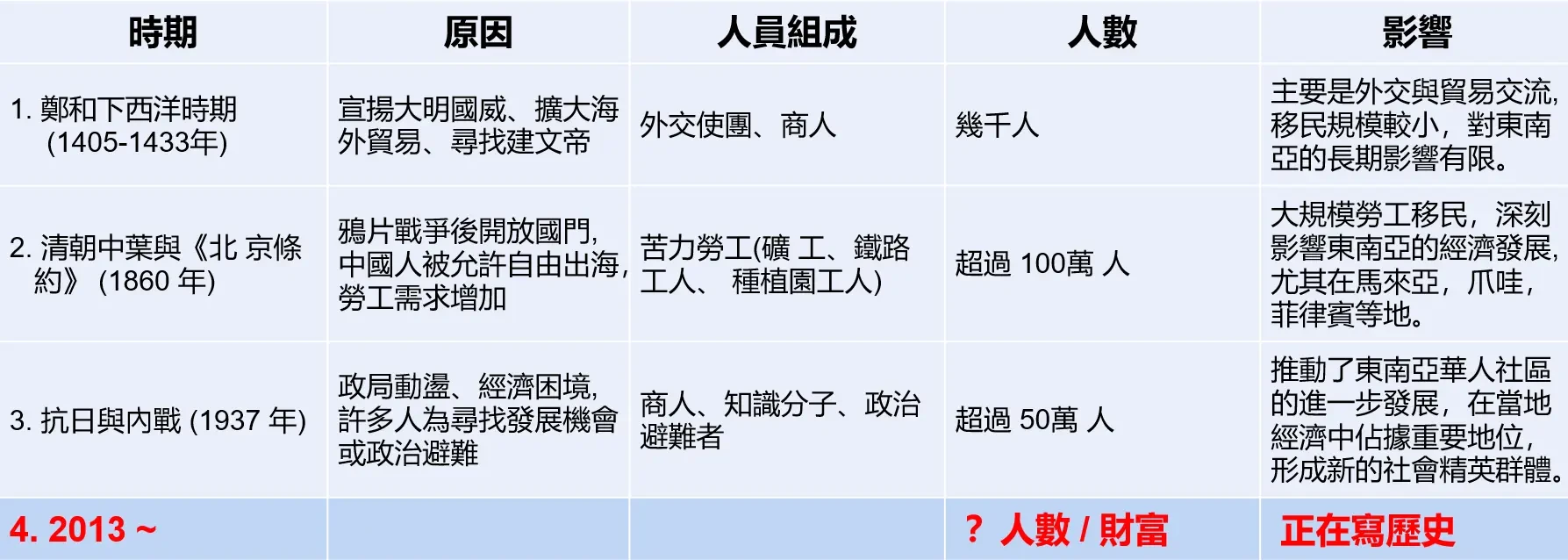
The first overseas voyage occurred during Zheng He's expeditions (1405-1433 AD).
Zheng He's first voyage to the Western Seas began in 1405 and concluded in 1433. This was a significant overseas expedition during the Ming Dynasty. The mission aimed to project China's power, expand foreign trade, and locate the missing Jianwen Emperor. This remarkable achievement not only demonstrated the Ming Dynasty's strength but also fostered international trade relations.
Zheng He's voyages were vast in scale and scope. His fleet traversed Southeast Asia, South Asia, and East Africa, with approximately 3 thousand crew members per expedition, showcasing the Ming Dynasty's exceptional prowess in maritime technology and organizational capability.
Chinese migration activities developed during Zheng He's voyages but remained small in scale, primarily linked to diplomatic missions and trade. Only a few thousand Chinese settled in Southeast Asia, yet their impact was profound; many places still honor Zheng He with temples today.
The second voyage occurred during the expansion of colonialism (around 1860 years ago).
This period falls between the mid-Qing Dynasty and around the signing of the Treaty of Beijing (1860). Western powers, engaged in global resource extraction, increasingly faced labor shortages. To address this, they incorporated forced labor migration into their colonial expansion strategies during military invasions of other regions.
Several military operations directly impacted China. For instance, after the Anglo-French forces entered Beijing, the Treaty of Peking included a key provision requiring the Qing government to end its policy of isolation and allow citizens to work overseas.
The "Beijing Treaty" ostensibly embraced the principle of "free migration," but in reality, it was designed to meet the West's high demand for labor. Chinese workers were sent in large numbers to Southeast Asia and other regions to perform physically demanding jobs such as logging, crop cultivation, and tea picking.
This wave of migration was primarily composed of workers, including railway construction laborers and plantation workers, on a massive scale. It occurred mainly during the mid-Qing Dynasty and became a significant component of the modern overseas Chinese labor exodus.
The third major wave of overseas expansion occurred during the Anti-Japanese War and Civil War period (around 1949 years ago).
Subsequent history has become increasingly well-documented. Over approximately 20 years, starting around 1949, China experienced prolonged migration of population and economic resources—from the War of Resistance Against Japan, through the Chinese Civil War, to the early years of the People's Republic of China. Overseas migrants during this period were highly diverse, including wealthy merchants, intellectuals with differing political views, and political refugees.
Immigrants during this period had a profound impact on Southeast Asia's development. They brought capital and expertise, actively contributed to local economic and social construction, and promoted cultural diversity in the region.
However, this process also sowed the seeds of potential social tensions, such as the anti-Chinese movements that emerged later, which we will explore in more detail.
Fourth global expansion, writing history (since 2013)
The first three waves of going global were driven by distinct historical circumstances, each yielding unique outcomes. The current wave of globalization we are focused on, we believe, began in 2013.
This wave of global expansion could trigger an unprecedented shift in population and wealth, with a scale that is difficult to estimate today. This is not merely a beginning, nor will it end quickly. It is history in the making—one that may reshape the global landscape.
Why is 2013 considered the starting point of this wave of overseas expansion?
Looking back at recent history, after China joined the WTO in 2000, deepening economic reforms and opening-up policies led to gradual accumulation of capital and wealth. Some wealthy individuals began allocating assets overseas to ensure their safety, while some enterprises expanded internationally to access cheaper resources and tap into broader markets.
This phenomenon is not unique to China. For example, during Japan's economic boom, it expanded its influence through massive overseas investments, even purchasing iconic properties like New York's Rockefeller Center. Chinese companies have gone through a similar phase, acquiring landmarks, sports teams, and vineyards, reflecting the natural expansion of capital and the extension of economic achievements.
2013 is a pivotal year.
This year, China began converting its economic strength into diplomatic strategy by formally launching the "Belt and Road Initiative," which became the defining hallmark of this phase. The initiative aims to transform domestic excess capacity into global diplomatic influence through infrastructure development and economic cooperation, driving a new round of reshaping the global economic landscape.
In the 20 century during the 90 decade, Taiwan—a Chinese-speaking economy—also attempted a similar strategy. At that time, Taiwan's economy was growing rapidly, and forward-thinking leaders proposed the "Asia-Pacific Operations Hub" concept to leverage the global momentum of Taiwanese businesses for regional economic development. However, Taiwan ultimately pursued a different path, which we will explore later.
In contrast, the Belt and Road Initiative is not merely an economic strategy but a vast project reshaping the global economic landscape and political power balance, encompassing extensive resources, scope, and dimensions. Since its launch, despite varying international assessments, its profound impact on the global economy and political order has become undeniable—an impact that erupted in 2018 in ways no one anticipated.
In 2018, 5 years after the launch of the Belt and Road Initiative, the momentum for going global shifted dramatically. The U.S. recognized that China's rise in technology, markets, and diplomacy threatened its global leadership. In response, the U.S. launched tariff and trade wars. These measures prompted companies operating in China to restructure their supply chains, with many factories from North America, Europe, Taiwan, and local regions relocating to Southeast Asia or South America. This marked a transition from proactive expansion to reactive adjustment.
Compared to the hopeful expansion of 2013 years ago, going global in 2018 has been accompanied by pressure and helplessness.
However, by 2021, the global public health crisis added complexity to the sentiment of going overseas. "Runology" became a buzzword, reflecting the multiple motivations behind migration and emigration. Interwoven internal and external factors have made going overseas a complex behavior driven by both positive intentions and negative sentiments.
Different groups may have varying motivations for overseas expansion, but in general, these can be categorized into proactive and reactive factors.
From a positive perspective, many seek broader career opportunities abroad, access to higher-quality education, or global market expansion for entrepreneurship. Additionally, high-net-worth individuals and entrepreneurs often look to establish overseas presence for asset allocation and tax planning purposes.
On the other hand, globalization is also driven by shifting environmental factors. Tighter industry regulations, intense market competition, restricted capital flows, and geopolitical tensions have left some uncertain about the future. Additionally, real-world challenges such as social pressure, rising living costs, education policies, and personal safety concerns are prompting people to seek new lifestyles.
Overall, this wave of going global reflects a shift from expansion to adjustment across multiple dimensions. It is no longer just an economic decision but the result of interactions between individuals or enterprises and their environments driven by various motivations. This trend not only highlights the complexity of China's deep engagement with the world but also contributes to ongoing changes in the global economic and political landscape.
Section 2: Put On the lenses of history, The positive impact of going global
Since the wave of global expansion began in 2021, we have now entered its fifth year. This is a moment to pause and reflect with a more sober mindset: what does going global truly mean for our generation of Chinese people?
We put on the lenses of history, To help you better understand this issue, we'll walk through four real-world cases.
First, we'll explore the relationship between Xiamen University and overseas expansion. Next, we'll examine case studies from the U.S. and Japan, which underwent similar processes. We will also discuss other Chinese-speaking economies, such as Taiwan, including their approaches to and outcomes from going global. Finally, we'll support our discussion with actual statistical data.
These cases and data will provide a clearer perspective, helping us better understand the far-reaching impact of going global.
Chen Jiageng and Xiamen University: The Power of Overseas Spirit and Giving Back
The first case involves Xiamen University, located on the southern shore of Xiamen Island. With its clear blue sea and white sands, gentle south winds, and views of Kinmen, the university has nurtured many prominent figures in finance and the arts, including renowned poet Yu Guangzhong.
As is well known, Xiamen University was founded by Tan Kah Kee. His family originated from Quanzhou, Fujian. His father was a laborer who led his family to Southeast Asia during the second wave of overseas migration to seek livelihoods. At that time, living conditions along the coast were harsh, and many people had to work elsewhere to survive.
Later, the Tan Kah Kee family began cultivating rubber. At the time, rubber was a critical commodity and one of the high-tech products of its era. Before petroleum refining technology became widespread, rubber trade generated immense wealth for many—much like today's AI and semiconductor companies.
After accumulating wealth, Mr. Chen Jiageng returned to his hometown with capital and overseas resources at a critical moment when the nation faced challenges. He founded Xiamen University and actively supported local government and social development initiatives.
This story offers a vital lesson: going global is not just a means of livelihood, but an extension of our power. Going global does not mean severing ties with our homeland. On the contrary, as long as we are dedicated, the resources accumulated abroad can be used to give back to our hometowns, benefiting our families and communities. This profound impact that Tan Kah Kee brought to Xiamen is the best embodiment of the spirit of going global.
Case Studies on Overseas Expansion Reshaping Economic Structures: The Historical Experiences of the United States and Japan
The United States experienced a wave of industrial offshoring in the 20 decade of the 50 century, leading to hollowing out in certain domestic sectors. For example, the term "Rust Belt" refers to the once-thriving Great Lakes manufacturing regions that have since declined, with factories and machinery left to rust. This situation bears some resemblance to what is happening in Dongguan today.
However, the U.S. leveraged this opportunity to upgrade its industries, gradually shifting focus to high-value areas such as intellectual property management, innovation and R&D, market research, and capital operations.
Nike is a prime example. This renowned athletic brand focuses primarily on consumer research and intellectual property protection in the U.S., while outsourcing production, supply chain operations, and product design to partners in Southeast Asia. This model demonstrates how American companies achieve industrial upgrading by going global, optimizing resource allocation, and concentrating on their core competencies.
Japan entered a crucial era of overseas expansion in the 20 decade of the 80 century.
Japanese companies acquired numerous iconic U.S. assets during this phase, reflecting an overseas expansion strategy distinct from that of the United States. By deeply integrating asset investment—such as in supply chain finance—Japan has exerted a lasting and significant influence on the global economy.
A classic example is the "yen carry trade." Due to Japan's long-term low interest rates, investors borrow in yen at low rates and invest in high-yield assets globally to capture the interest rate differential. If the yen appreciates or interest rates rise, this arbitrage opportunity vanishes, triggering a rapid exit of these funds. With the scale of such trades reaching tens of trillions of dollars, even minor interest rate shifts can cause severe global market volatility and impact the cost of capital for businesses along the supply chain.
Moreover, Japan has built a deep foundation in global manufacturing supply chains. Even today, its industrial products remain integral to high-end supply chains in Southeast Asia and the U.S., particularly in electronics, chemicals, semiconductors, machinery, and materials, where Japanese companies hold unique positions.
Can China replicate the overseas expansion experiences of the U.S. and Japan to achieve industrial upgrading?
It depends on the nature of the company going global.
Former U.S. Treasury Secretary Yellen commented in 2024 that China's excess capacity is undermining global prosperity. This criticism sparked widespread debate. The core issue: Chinese-made low-cost goods allow consumers worldwide to access higher-quality products and services at lower prices—a clear benefit. So why does this hurt global prosperity?
If these goods are produced at low cost due to government subsidies, intellectual property infringement, or exploitation of labor rights, then Yellen's criticism is well-founded.
However, if these achievements stem from entrepreneurs' drive—their willingness to take risks, invest immense effort, and tirelessly optimize production processes—then selling low-cost products globally clearly enhances overall global welfare.
Both perspectives have merit and require careful observation in context. For instance, during our recent visit to Southeast Asia, we observed that Japanese and Korean companies are feeling pressure as Chinese firms enter the market with strong competitiveness, forcing them to rethink their strategies.
Additionally, we need to consider what drives Chinese companies when they expand overseas.
Was it a reactive move, such as relocating overnight in response to the trade war that began in 2018? If so, it likely involved exporting equipment and machinery.
Or is it proactive positioning, seeking upgrades through strategic thinking to expand scope? That reflects entrepreneurial spirit and optimized business insights.
The reality is likely a mix of both. However, if the latter factor dominates, this fourth wave of global expansion will have profound historical impact.
Taiwan Experience: Showcasing the DNA of Chinese Companies Going Global – The Story of Our Asia-Pacific Operations Center
Learning from Taiwan's economic development offers key insights for going global.
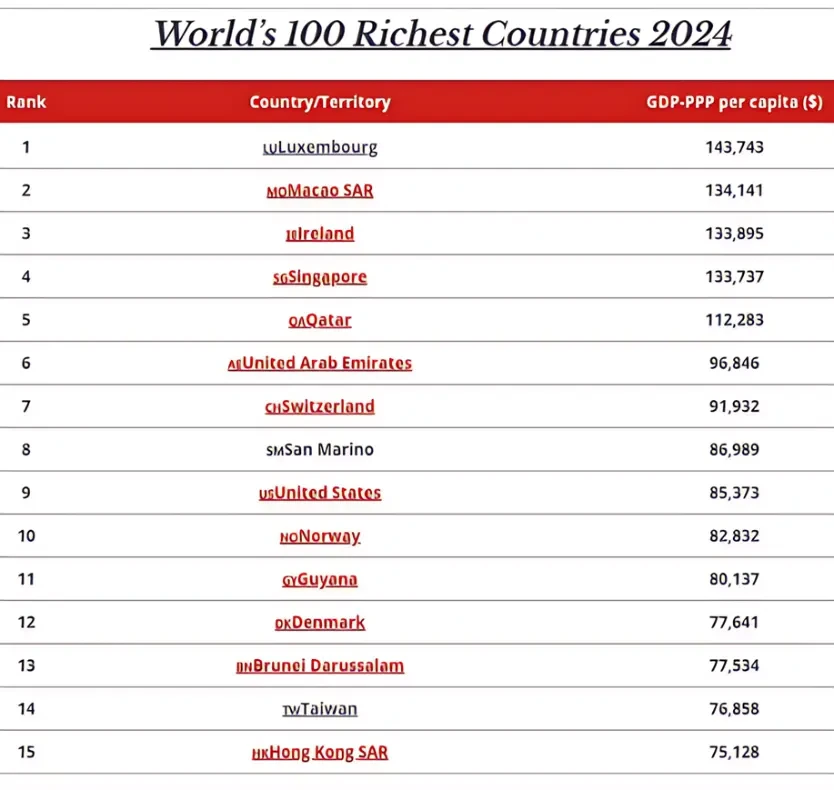
In 2024, Taiwan's per capita GDP surpassed that of Japan and South Korea, ranking as the world's 14th largest economy. Aside from advanced nations, most top-ranked economies are oil-producing countries. As a small economy with limited domestic resources, Taiwan must rely on an ocean-oriented mindset to operate many of its economic activities.
As a Chinese-speaking economy, mainland companies do not lack internationalization capabilities. Instead, the sheer size of the domestic market and rapid economic growth allowed them to achieve significant profits by focusing solely on local operations. While expanding into more international markets is welcome, it can be achieved through exports and trade without needing to "go global" in person. However, this era may be coming to an end.
Taiwan's maritime mindset offers valuable insights for business operations. Although Taiwan ranks among the top globally in per capita GDP, many ordinary workers do not consider themselves wealthy. This is because most of Taiwan's wealth is held by Taiwanese businesses operating worldwide. These enterprises are active across the globe, driving international trade and investment while generating substantial economic value.
Statistics show that before the trade war, eight of the top ten companies in mainland China generating foreign exchange through exports to the U.S. in 2016 were controlled by Taiwanese investors. Prior to the US-China trade war, Taiwanese firms played a significant role in driving mainland China's export earnings, underscoring the power of this economic model.
Furthermore, we observe that going global can lead to bidirectional development. For instance, foreign investors hold approximately 80% of TSMC's shares, while local ownership in Taiwan accounts for about 20%. This demonstrates that as a company serving the global market, TSMC achieved significant success through free capital flow and global operations.
In the previous section, we mentioned that Taiwan had a group of visionaries who proposed building an Asia-Pacific Operations Center. Here, we further analyze this initiative and draw lessons from it.
In the 90s of the last century, Taiwan's economy grew rapidly. Taiwanese companies have long managed global operations, making Taiwan their operational hub in Asia-Pacific and beyond. However, due to unfavorable exchange rate and tax policies, they did not repatriate funds to Taiwan. Instead, capital flowed globally in search of investment opportunities.
In other words, Taiwanese companies have long relied on Taiwan as a hub to integrate global resources, creating a unique model for going global.
The vision for the Asia-Pacific Operations Center aimed to leverage legislation, infrastructure upgrades, and incentive policies to reduce operational barriers for Taiwan-based companies. This initiative sought to facilitate the flow of people, capital, and goods, amplify its impact, attract a broader business community, and foster shared prosperity across the Asia-Pacific region.
However, this idea was never realized. Instead, Singapore successfully implemented a similar model, driving rapid economic growth in recent years.
Taiwan chose a development path centered on technology, achieving remarkable success today—especially in the semiconductor industry, where it has become a global leader. Today, China, Japan, the United States, European countries, and emerging hotspots in Southeast Asia such as Malaysia and Vietnam are actively inviting Taiwan's semiconductor industry to provide technology transfer.
Although this distinct overseas expansion model has achieved results, is there still untapped potential?
Although Taiwan has achieved remarkable success in technology, if it had integrated the concept of an Asia-Pacific operating hub and fully leveraged its geographic advantages, it might have secured a more critical role as a global supply chain nexus.
To this day, Taiwan's legal and policy environment still does not provide sufficient support for global Taiwanese businesses, which continue to expand worldwide based on their own capabilities. Nevertheless, Taiwan remains their home. With the restructuring of global supply chains and the rise of Southeast Asian markets, Taiwan and the broader Chinese business community still have opportunities to reassess their roles and create greater value in today's economic landscape.
Therefore, the experience of Taiwanese businesses not only reflects the model of Chinese enterprises going global but also embodies the global business acumen of the Chinese community. It is evident that they possess the capability to operate businesses with a global perspective. As we navigate this fourth wave of globalization, it is crucial to leverage our strengths, foster international economic cooperation, and drive continuous innovation in key sectors such as technology, finance, and manufacturing.
The positive impact of going global
As demonstrated in the case study above, going global offers three key benefits: First, it can enhance consumer welfare worldwide. Second, it can optimize industrial structures. Third, it enables enterprises and individuals to create more wealth.
Really? Even if that's true, can past historical experiences apply to this fourth wave of going global?
Words alone aren't enough. We have two sets of data as evidence.
The first dataset comes from statistics by The Nikkei. It shows that among the 63 most critical global industrial and service products, Chinese companies ranked #1 in supply for 10 items before the pandemic. However, after a trade war lasting 4 years, this number did not decline but rose to 16. This indicates that the trade war did not weaken Chinese companies' competitiveness; instead, their influence grew further—from 10 to 16 items—demonstrating their increasingly solid position in the global supply chain.
The second data set is based on statistics of Chinese A-share listed companies as of mid-2024. The data shows that 13.1% of listed companies' revenue came from overseas operations, marking a new high since 2005. Analysts point out that overseas business has become one of the growth drivers for Chinese listed enterprises.
Does this suggest that, although the trade war prompted some factories to relocate out of China, Chinese companies never exited the global supply chain and have instead strengthened their influence?
如果你沒有察覺到這種趨勢,或者未能從中發現商機,那可能還未戴上“the right lenses”。當你以正確的視角審視全球市場,就會看到其中潛藏的巨大商業機會。
Section 3:the lenses of history summary
Put on the lenses of history Going global is not new for Chinese companies; it has gone through four major waves.
The first voyage was Zheng He's expedition to the Western Seas, where he led a fleet that promoted trade and migration.
The second wave occurred during the era of colonial expansion, when large numbers of Chinese laborers were sent overseas.
The third wave occurred around 1949 years ago, when political unrest and economic changes prompted many Chinese people to emigrate.
The current fourth wave of going global began in 2013. From the Belt and Road Initiative to the US-China trade war, and now the rise of "run studies," this wave includes both proactive expansion and reactive adjustments.
Experience from the U.S. and Japan shows that when domestic industries face overcapacity or rely on low value-add, shifting production overseas allows them to focus R&D and branding on high value-add activities. Taiwan leverages a maritime mindset to actively expand into global markets, demonstrating the agility and competitiveness of Chinese-speaking economies on the international stage.
In this fourth wave of global expansion, the scale and impact of companies going overseas are unprecedented. They have not only solidified China's position in global supply chains but also driven cross-border flows of Chinese assets and population. Data shows that China now leads the world in more product categories, and the proportion of overseas revenue for A-share listed companies has risen year after year. Historical cases prove that going global does not mean severing ties with one's homeland. Tan Kah Kee's return to build Xiamen University stands as a prime example of contributing to the home country through global success.
Furthermore, going global can enhance global consumer welfare, optimize industrial structures, and create new opportunities for businesses and individuals. The key lies in whether companies proactively transform rather than passively "relocate." When facing challenges such as international competition and trade wars, we can put on "the lenses of historyLeverage global perspectives and the wisdom of past generations, harnessing the advantages of industry, markets, and capital to reshape the world order through this wave of globalization and unlock new growth potential.
This is an unprecedented era. We must maintain an open mindset and strategic foresight. Only by balancing a global perspective with historical thinking can we seize opportunities in the rapidly changing international landscape and achieve steady, long-term progress.
Extended Content
Put on the lenses of history, Uncover true thoughts:
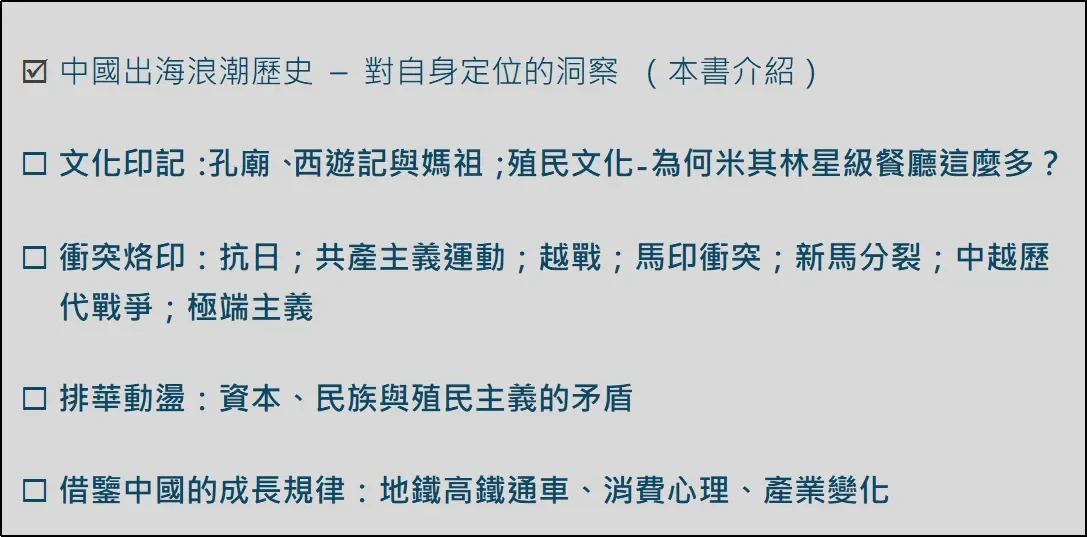
This book explores how historical evolution defines the significance of the "fourth wave of globalization," helping individuals and businesses position themselves within this trend and uncover major opportunities.
However,the lenses of history Its role extends further. It also helps us uncover the true motivations and perspectives of all parties involved in cross-border commerce, fostering collaboration and preventing disputes. We will share deeper insights into these use cases at a later time. Interested readers are welcome to explore this framework on their own or engage with us for discussion.
For topics covered in this book but not explored in depth, we provide a concise overview here to demonstrate the lenses of history unique value.
Cultural Imprints: Confucian Temples, Journey to the West, and Mazu; Why Does Vietnam Have So Many Michelin-Starred Restaurants?
Historical perspective is a powerful tool. Since 2018, we have focused on the Southeast Asian market. Over the past two years, we have visited the region more than 20 times and found that using a historical lens not only clarifies our own positioning but also provides deep insights into the true thoughts of partners, consumers, and even local competitors.
If you visit Southeast Asia, you'll find locals are typically warm and friendly. Business dealings often go smoothly, but truly understanding their inner thoughts isn't easy.
This phenomenon is common globally, reflecting the principle of "seeking common ground while setting aside differences." Harmony fosters prosperity; surface-level harmony often masks underlying motives that, if unaddressed, can hinder collaboration.
However, we find that a historical perspective enables better understanding of the other party's cultural imprint.
Using Vietnam as an example, you'll find Confucius Temples and the profound influence of *Journey to the West*—with Sun Wukong being the most popular character. These nations have also embraced enlightenment from other cultures: in cuisine, Michelin-starred restaurants are everywhere, and top chefs take pride in training in France. Culinary habits left behind during the colonial era have become deeply ingrained in our taste DNA, impossible to erase.
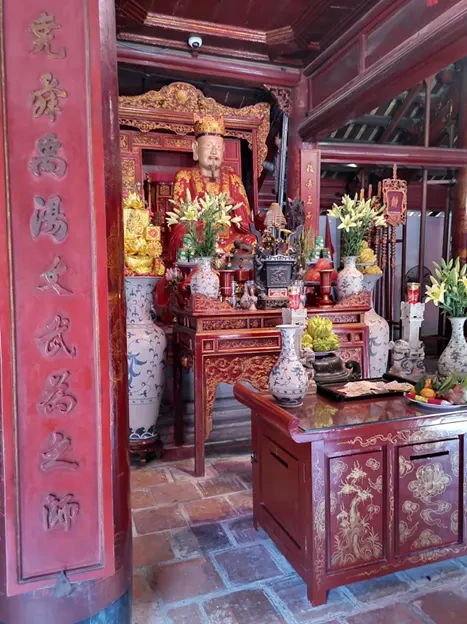
Some phenomena may go unnoticed in mainland China, yet they are highly significant. Especially given that China once experienced the "Cultural Revolution" period of destroying the "Four Olds," current religious beliefs and practices have already diverged slightly from their traditional cultural roots. When you put on... the lenses of history, You can uncover more clues revealing how Chinese traditional culture was carried by immigrants to Singapore, Malaysia, Indonesia, and Vietnam.
For example, in Vietnam, parents still visit Confucian temples. Although Confucius is not considered a deity, they believe that visiting these temples helps students perform well on exams.
If you spend Chinese New Year in Malaysia, you'll find the festive atmosphere even richer than in many cities across China. During the holiday, locals not only hold ancestral worship ceremonies but also continue many traditional customs.
This deep cultural imprint is not only a continuation of Chinese traditions but also a unique lens for understanding the underlying mindset of Southeast Asian societies. Mastering these cultural symbols becomes a vital tool for gaining deeper insights into local communities.
Conflict Imprints: War of Resistance Against Japan; Communist Movements; Vietnam War; Indonesia-Malaysia Confrontation; Separation of Singapore from Malaysia; Sino-Vietnamese Conflicts Throughout History; Extremism
Historical legacies also carry negative impacts that cannot be ignored.
China has had conflicts with neighboring countries in the past, and territorial disputes still exist today. On these issues, each country holds different perspectives, shaped by their own historical interpretations and attitudes.
For instance, communist movements were once active in Southeast Asia. Today, China remains committed to socialist reform and opening-up, while several Southeast Asian nations have chosen different development paths. As these countries officially welcome investment with open arms, are there unspoken concerns beneath the surface? Can history offer any clues?
Additionally, the legacy of Vietnam's division during the Vietnam War continues to have a profound impact. Significant cultural and social differences between Ho Chi Minh City and Hanoi can make newcomers feel as though they are visiting two entirely different worlds.
Conflicts once occurred between Malaysia and Indonesia, while Singapore's separation from Malaysia shaped today's Southeast Asian political landscape. The series of wars between China and Vietnam also left a deep historical mark. Countries took vastly different stances in these conflicts, and understanding these issues requires time and patience.
These phenomena are closely tied to history education and patriotism. The education received from a young age, narratives passed down by parents, and fragmented memories of war all profoundly shape local perspectives.
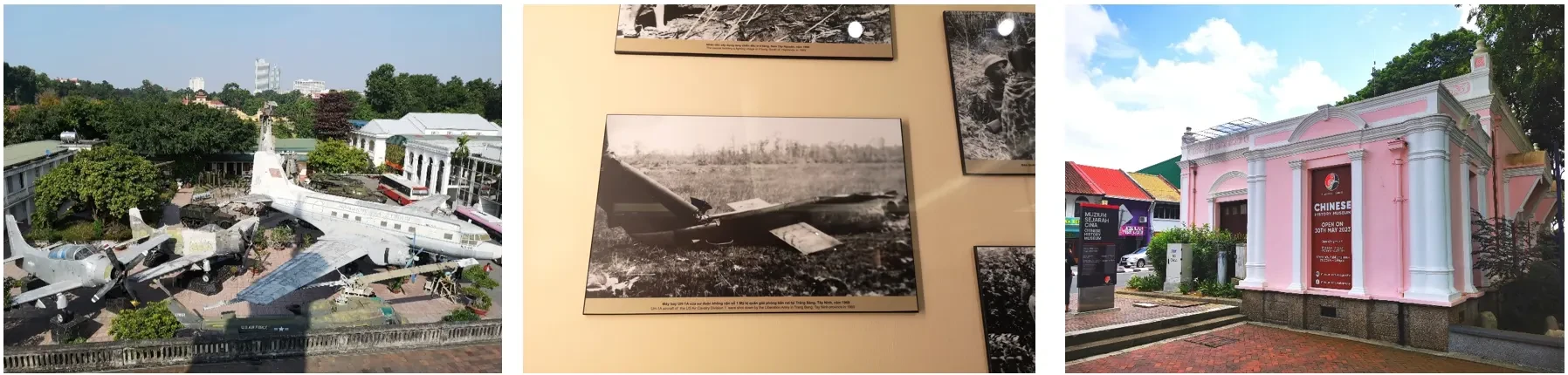
The marks of this history run deep in people's hearts. In today's globalized world, Southeast Asian nations often avoid raising these historical conflicts in public settings to foster economic development and commercial cooperation. Yet, they remain part of patriotic education in schools, are passed down through family stories, and are presented directly in museums.
Over the past few years, we visited Chinese museums in Hanoi, Ho Chi Minh City, and Malaysia. While these museums may not explicitly state their perspectives on historical events through direct text, their attitudes and interpretations can be discerned through the artifacts they choose to display, the exhibition layouts, and the presentation methods. These details offer valuable clues for understanding the impact of history and reveal how different countries truly view these issues.
The impact of these complex historical imprints is profound yet subtle. Your partners may not mention them directly, and they might not even be aware that these imprints are influencing their business interactions with you at a subconscious level.
But if you could wear the lenses of history Observe to better understand the mindset of your host country partners or competitors, and practice empathy by seeing things from their perspective. This viewpoint is crucial for launching business operations or building long-term partnerships.
Anti-Chinese Unrest: Contradictions of Capital, Ethnicity, and Colonialism
As mentioned earlier, during the third wave of overseas migration, many wealthy and influential Chinese chose to settle in Southeast Asia. At the same time, colonialism was receding as Southeast Asian nations sought independence. These concurrent developments had a profound impact on the region.
In the mid-20th century, Indonesia and Malaysia in Southeast Asia both experienced anti-Chinese riots, creating a highly volatile situation.
Regarding these events, a troubling question arises. According to industry rumors (yet to be verified), during Vietnam's recent severe anti-Chinese riots, some mobs looted and vandalized Chinese-owned factories. When the mobs breached the premises, certain Vietnamese employees opened the gates to let them in, while others protected their Chinese supervisors, blocked the entrance, and declared: "This is where I earn my living."
These two completely different reactions are thought-provoking. To us, both bosses are "Chinese." So why do locals perceive such a stark difference in their behavior? What deeper contradictions lie beneath this phenomenon?
How these contradictions formed, how they manifest today, and how to resolve them are all issues that require careful consideration. the lenses of history We will share more details on this issue at a later time.
Leveraging China's Growth Patterns: Metro and High-Speed Rail Launches, Consumer Psychology, and Industrial Shifts
the lenses of history Identify additional business opportunities by analyzing how China's economic development and reform-and-opening-up experience will impact Southeast Asia, as several countries in the region are beginning to draw on China's development model.
Recall what you were doing when the first subway line opened in your city. How did Taipei residents' lifestyles change after enduring the intense construction phase of their rapid transit system? When you first rode the Beijing-Shanghai high-speed rail, how did the concept of a one-day metropolitan circle affect your career and family? In what ways have these changes influenced your investment strategies, spending habits, values, and worldview?
Similar changes are now unfolding across multiple Southeast Asian countries.

Put on the lenses of history It offers a "dimensionality reduction strike" advantage. When a country begins building urban rail transit or achieves diversified consumption—such as access to a variety of durians—its consumption patterns inevitably evolve.
By studying China's development trajectory since the Reform and Opening-up, individuals and businesses can identify new opportunities, as developing nations may follow similar growth paths.
As you can see in the image above, Ho Chi Minh City opened its first metro line in 2024—with just a single station. Yet inside the station, they already display the entire future network map. Even though many lines are shown in gray (not yet operational) and some may never be built, why did they create such a blueprint?
What stance does this reflect from the government? How will the public feel? When viewing this image, do you feel confident, or see it as a vision for the future?
Another example is high-speed rail construction. In the right-hand diagram above, Singapore is at the top and Johor Bahru (part of Malaysia's Johor state) is at the bottom. A bridge already connects the two locations. Opened over 30 years ago, crossing it can take as little as one hour or as long as four to five hours.
The new rail transport shown on the left is scheduled to open within 2027 years, bringing structural changes to regional population mobility, resource transportation, investment, and trade.
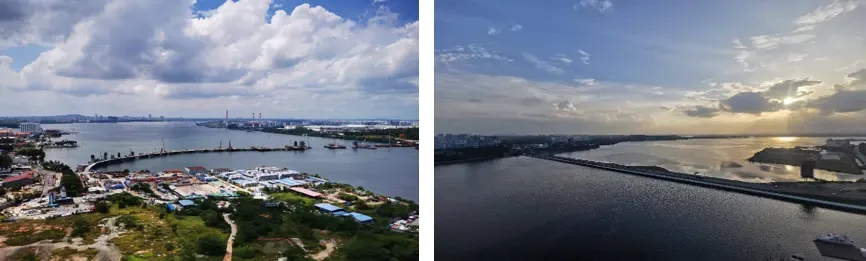
Government officials from both sides visited Shenzhen to learn how to improve the efficiency of cross-border traffic and passenger flow. This is important because the subway on the left and the road transport on the right differ significantly. The subway's capacity is more than ten times that of road transport—a shift of this magnitude will fundamentally reshape the region.
Many have drawn parallels to the relationship between Shenzhen and Hong Kong, as this comparison highlights the profound impact of infrastructure development on regional growth and daily life.
Actually, the two are quite different. Put it on. the lenses of history, Gain insights others can't — the subtle historical relationship between the two nations adds complexity to this development.
In 1965, Singapore separated from Malaysia. At that time, the currency exchange rate (SGD: MYR) was 1:1, while today it is 3.5. This significant economic divergence often triggers complex emotions among Malaysians.
Despite this, both countries have consistently adhered to the principle of "seeking common ground while reserving differences" in their economic development. Such cooperation and progress require not only considering immediate interests but also looking back at history to understand the evolution and deeper impact of their relationship.
Another key observation is that consumption habits follow a historical trajectory and can be analyzed through戴上 the lenses of history Peek.
China has seen significant growth in its consumer sector in recent years, with numerous consumption models and high-quality products emerging. Now is the time to put on... the lenses of history, Conversely, it offers insights into economic development in Southeast Asian countries.
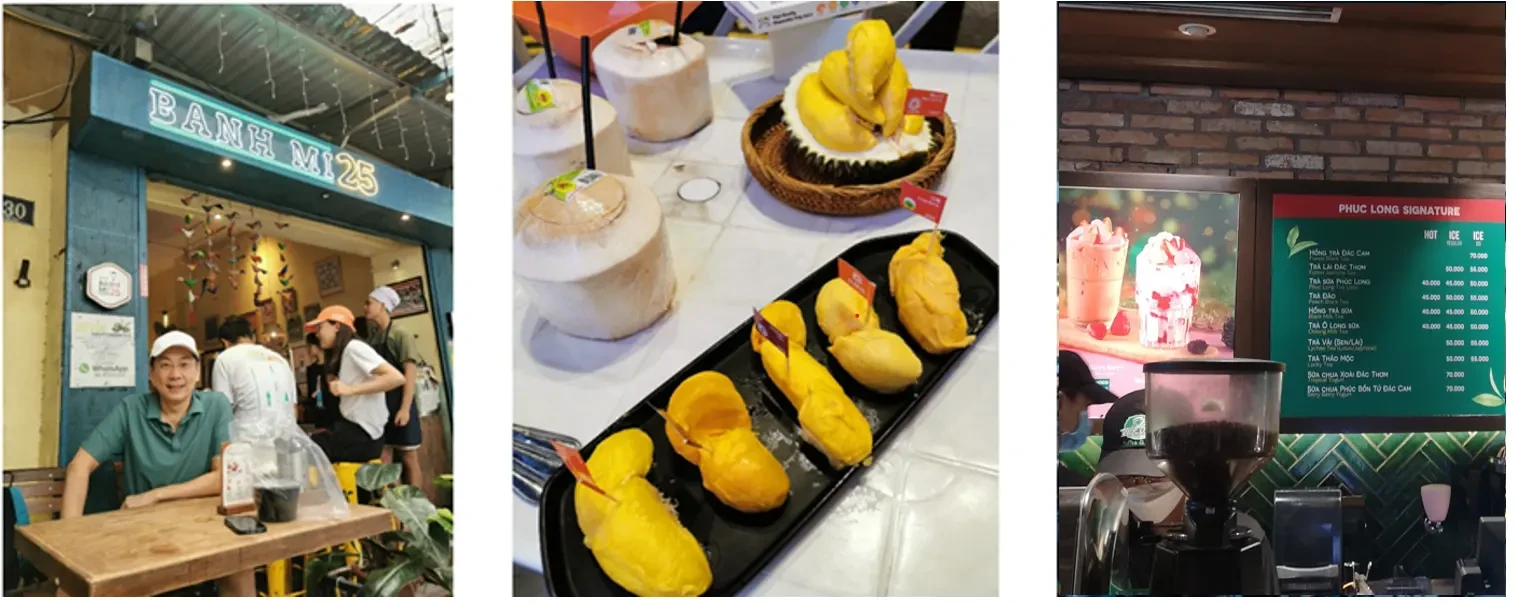
Approved the lenses of history, We can gain this insight. For example, why are there so many Michelin restaurants in Hanoi, Vietnam?
This is linked to Vietnam's history as a former French colony. The image on the left shows a famous French baguette bakery in Vietnam. This sandwich features shredded meat and various vegetables, offering a unique flavor. To preserve authenticity, Vietnamese chefs sometimes travel to France to learn traditional techniques and adapt them with local innovations.
Hidden on the tip of the tongue, this DNA emerges as consumers gain purchasing power—naturally earning more Michelin stars.
The image showcases durian from Kuala Lumpur. We used to simply know durian, then discovered that "Musang King" tastes better. As purchasing power grows, consumers no longer settle for a single variety; they want quality like wine tasting—analyzing what makes it delicious. A hint of bitterness can even spark greater consumer curiosity.
To meet consumer expectations, durian sales have become more refined. Instead of just one variety, customers can now sample six types, each offered in small portions for side-by-side comparison—much like wine tasting.
The tea shop on the right is currently Vietnam's most popular beverage brand. A single cup of milk tea costs as much as a Vietnamese worker's daily wage, yet every night, long lines still form outside the store.
This trend reflects a shift in Vietnamese consumer psychology: even at premium prices, customers are willing to pay for quality and social experiences. Together, these developments highlight the diversification and sophistication of Southeast Asian consumption behavior.
- Book
- The Chinese Diaspora
- Author
- Dr. Jili Chung
- Section
- Subject
- Words
- Appointment10,627Character
- Reading
- Appointment27minutes